

The Slow Play Debate Is Back in the News - Here's What It Means for Your Course
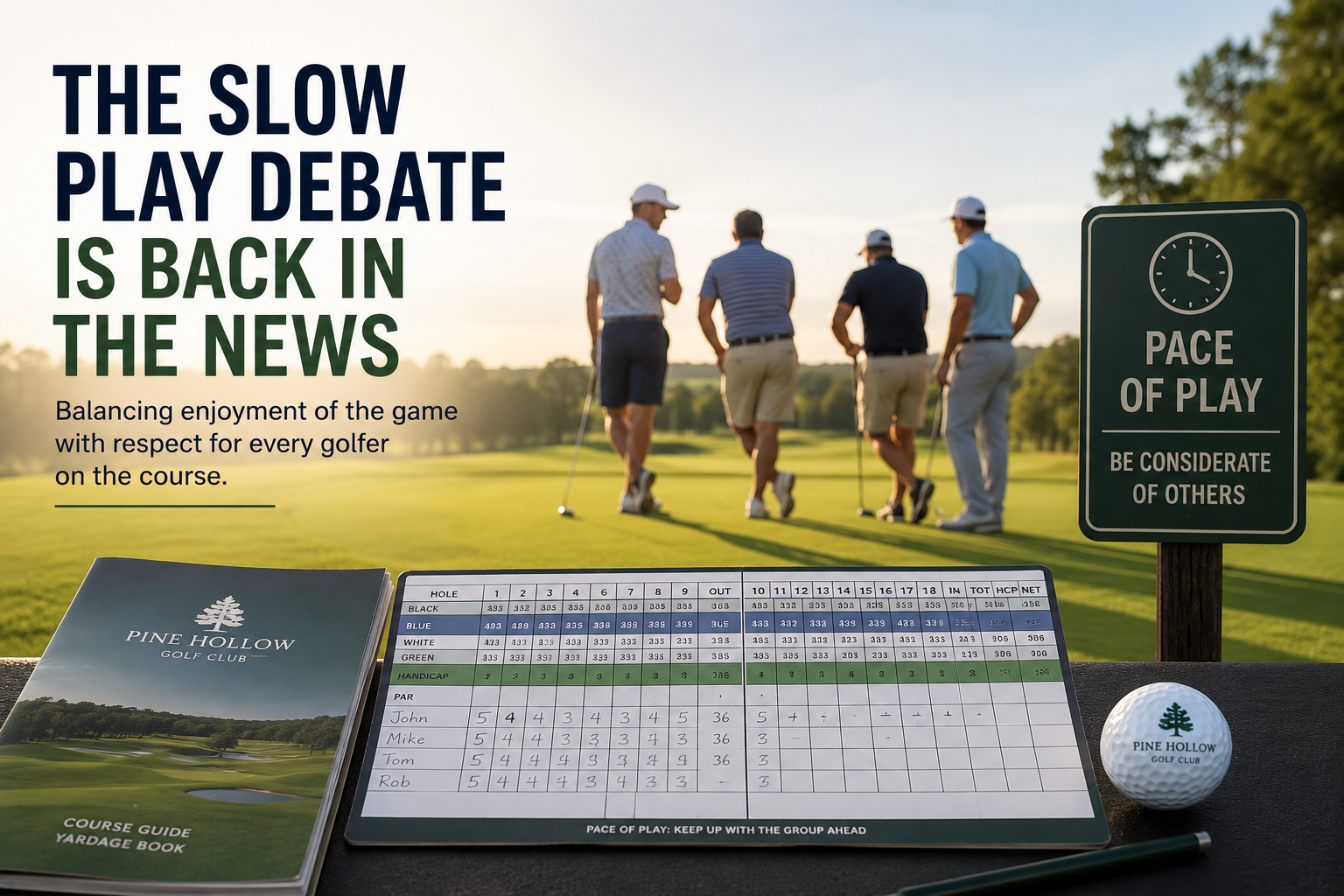
The Slow Play Debate
The pace of play is having a moment. Following the 2026 Open Championship at Royal Birkdale, golf fans watched two very different stories play out: Ryan Fox cruised to a Claret Jug win with a pace that left commentators impressed, while other groups on Thursday and Friday battled rounds stretching past five and a half hours. That contrast pushed pace of play back into headlines, with players like Jon Rahm publicly weighing in on how tours should handle warnings and enforcement around slow rounds.
The pros are debating rules and penalties. But the underlying issue - rounds that drag on longer than they need to - isn't just a Tour problem. It's something every club, from a private country club to a busy daily-fee course, deals with on a Saturday morning tee sheet. And while you can't control how long a group deliberates over a chip on 14, you can control how much of that delay is caused by confusion rather than actual play.
Where Slow Play Actually Starts
A lot of pace-of-play trouble on club courses doesn't come from difficult shots - it comes from uncertainty. A player who isn't sure of the yardage to the pin. A group debating which tee box they're supposed to play from. A foursome squinting at a faded, hard-to-read scorecard trying to figure out the hole handicap for a match. Small moments of confusion add up, hole after hole, into the kind of long afternoon nobody wants.
That's exactly where good course materials earn their keep
How the Right Materials Help Keep Rounds Moving
Clear yardage books take the guesswork out of club selection. A detailed, accurate hole diagram means a player can make a confident decision in seconds instead of pacing off a shot or asking a playing partner to guess.
Daily pin placement cards tell golfers exactly where the pin is cut that day, cutting down on the time spent reading greens from a distance or second-guessing an approach shot.
Well-designed scorecards with clear layouts, legible handicap and yardage information, and a logical hole-by-hole flow help groups move through the round without stopping to decipher a cluttered grid.
None of this replaces good pace-of-play policy or marshal support - but it removes some of the friction that turns a four-hour round into a five-hour one, which matters just as much at a member-guest tournament as it does at the Open Championship.
A Better Round Starts Before the First Tee
The pros will keep debating whether pace-of-play warnings should last a hole, a round, or a full tournament. For your club, the more practical question is simpler: are your scorecards, yardage books, and pin sheets helping your members play efficiently, or quietly slowing them down?
SSG has spent more than 46 years helping golf course design materials that are as functional as they are polished - built to keep players informed, moving, and enjoying their round. If your current materials could use a refresh before the next tournament or member event, request a custom quote and let's talk about what's slowing your rounds down.
